Featured

What Does Key Things You Should Ask Before Committing Mean?
Table of Contents
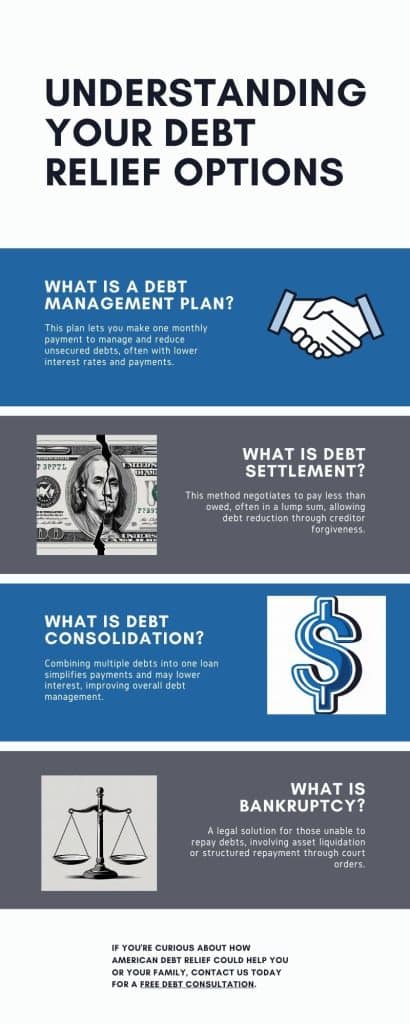
That maximizes cash in the short-term, and you may have 3 to four years to save toward the settlement quantity. Very hazardous to credit history, mostly as a result of missed out on settlements and an unfavorable "settled" mark that could remain on your credit history report for approximately seven yearsMay be only option if various other alternatives (financial debt consolidation, equilibrium transfer credit rating cards, financial debt forgiveness) aren't possibleTypically needs a charge to the 3rd celebration, which can counter some or all of the cost savings from financial debt settlementMay assist you prevent insolvency if you've missed out on a number of paymentsNot all creditors collaborate with debt negotiation companies Debt forgiveness may be right for you if you are experiencing a financial difficulty that makes it virtually impossible to pay for your financial obligation equilibriums.
With a DMP, you make one regular monthly payment to the credit counseling company. Those funds are then distributed to lenders of your unprotected financial obligations, such as debt cards and installment lendings. The company collaborates with your creditors to reduce rates of interest or forgo charges, yet some creditors may refuse such giving ins.
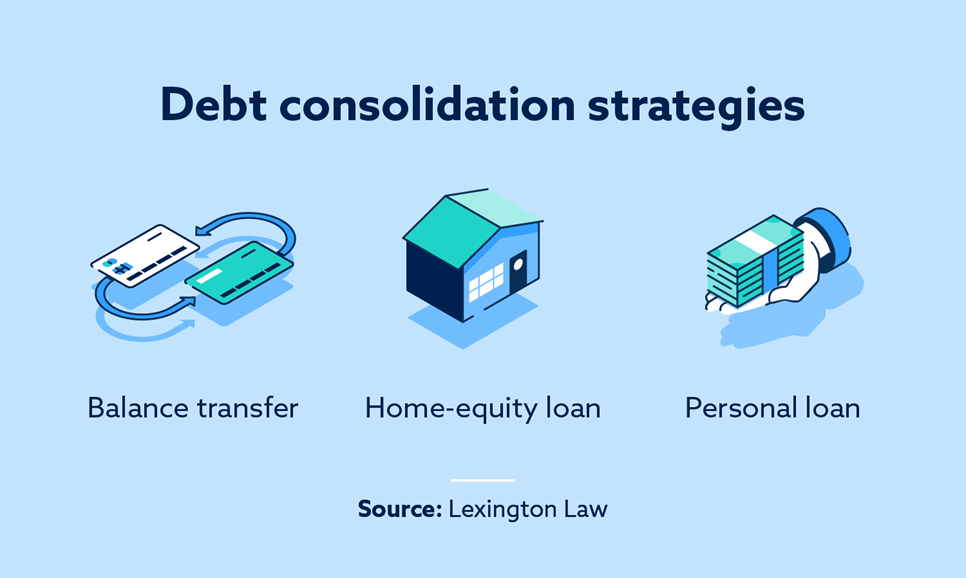
It can aid you pay down debt if you're able to secure a loan rate that's lower than the ordinary price of the accounts you're combining. You have to avoid from racking up debt on those recently removed accounts or your financial obligation could expand also higher.
That offers you plenty of time to get rid of or considerably decrease your equilibrium while making interest-free settlements.
The Buzz on Documents to Gather When Pursuing Bankruptcy Counseling
You might require it if your financial institution or a collection agency ever before tries to gather on the debt in the future. When a lender forgives $600 or even more, they are called for to send you Form 1099-C.
Financial obligation mercy or negotiation practically always hurts your credit. Anytime you work out a debt for much less than you owe, it may appear as "settled" on your credit score report and influence your credit rating for 7 years from the date of settlement. Your credit can also go down considerably in the months causing the forgiveness if you fall behind on settlements.
Some Known Facts About Consumer Protections According to Federal Law.
Tax financial debt concession programs Tax financial obligation takes place when the quantity of tax obligations you owe surpasses what you have actually paid. This situation commonly arises from underreporting income, not filing returns on schedule, or disparities found during an IRS audit. The consequences of accumulating tax debt are severe and can consist of tax obligation liens, which offer the IRS a lawful claim to your residential or commercial property as protection for the financial obligation.
Incomes and Bank Accounts IRS can levy (seize) wages and bank accounts to satisfy the debt. Residential or commercial property Seizure In severe instances, the Internal revenue service can take and offer residential or commercial property to cover the financial debt.
Anxiety, stress and anxiety, and various other mental health concerns. Social Stigma Dealing with lawsuit from the IRS can bring social stigma. Damage to credibility and connections. Work Opportunities An inadequate credit history due to tire financial obligation can limit employment possibilities. Trouble searching for or keeping a work. Government Advantages Tax financial obligation may influence eligibility for federal government benefits, such as Social Safety and Medicaid.
How to Never Return to Future Debt Cycles After Your Fresh Start Fundamentals Explained
The OIC thinks about numerous factors, including the taxpayer's earnings, expenditures, asset equity, and capacity to pay. Effectively negotiating an OIC can be complex, needing a comprehensive understanding of the internal revenue service's guidelines and a strong argument for why your deal lines up with your capacity to pay. It is essential to keep in mind that not all applications are approved, and the procedure requires detailed financial disclosure.
The internal revenue service assesses your overall financial circumstance, including your income, expenses, property equity, and ability to pay. You should likewise be existing with all filing and repayment requirements and not be in an open bankruptcy proceeding. The internal revenue service likewise considers your conformity history, examining whether you have a record of prompt filing and paying taxes in previous years.
What Does Financial Trends Impacting How More People Need Are Seeking Debt Forgiveness Do?
The application procedure for a Deal in Compromise includes a number of detailed steps. You should complete and submit IRS Type 656, the Deal in Concession application, and Form 433-A (OIC), a collection details declaration for individuals. These kinds need comprehensive monetary information, consisting of details about your income, financial obligations, expenditures, and properties.
Back tax obligations, which are overdue taxes from previous years, can substantially boost your overall IRS financial obligation if not addressed immediately. This debt can build up interest and late repayment penalties, making the original quantity owed much larger with time. Failure to pay back tax obligations can cause the IRS taking enforcement actions, such as releasing a tax obligation lien or levy against your residential or commercial property.
It is very important to resolve back tax obligations asap, either by paying the sum total owed or by organizing a repayment strategy with the IRS. By taking positive steps, you can prevent the build-up of additional interest and charges, and avoid a lot more aggressive collection activities by the IRS.
One usual reason is the idea that the taxpayer can pay the sum total either as a round figure or through a settlement plan. The IRS likewise considers the taxpayer's earnings, expenditures, property equity, and future earning possibility. If these factors indicate that the taxpayer can manage to pay more than the supplied quantity, the IRS is most likely to deny the deal.
Everything about Legal Changes That May Change Debts You Still Owe After Bankruptcy: What You Can’t Erase : APFSC Options
Dealing with Internal revenue service debt can be complex and daunting. Tax professionals, such as Certified public accountants, tax attorneys, or signed up representatives, can provide very useful support.

Table of Contents
Latest Posts

Fascination About Comparing Debt Forgiveness Services in the Industry

Some Known Facts About Why Avoiding Your Debt Problems Can Cost You.

6 Simple Techniques For Practical Tips Following 10 Ways APFSC Supports Our Military Veterans With Credible
More
Latest Posts
Fascination About Comparing Debt Forgiveness Services in the Industry
Some Known Facts About Why Avoiding Your Debt Problems Can Cost You.
6 Simple Techniques For Practical Tips Following 10 Ways APFSC Supports Our Military Veterans With Credible